

Jacqueline Switzer, Consultant and Workplace Programs Manager at the Level Playing Field Institute
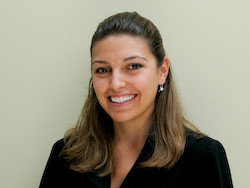
I use the skills I learned through SD constantly when communicating with clients and colleagues. Being able to check biases & assumptions and open our hearts to the point where we truly empathize and understand where others are coming from is the deeply enriching gift of SD. It is also necessary for the health of our communities and society as a whole.

Billy Choo, Northwestern SD Alum
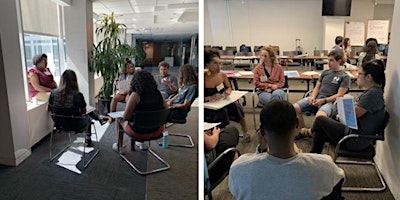
I was trained for Sustained Dialogue at NU in 2013. I recently used the SD model to lead a workshop where the group challenged social norms of masculinity with an audience of majority men. One participant at the end of the workshop asked how I came up with my questions and, honestly, all I could say was SD and everything it taught me. Thank you for the amazing training 2 years ago that I still use.

Ellie Canter, Nonprofit Director
Turning the Page worked with SDI on “Building Authentic Relationships Across Difference” to equip us with skills and language to engage effectively with our partner schools and communities. We have used the practices in our community workshops and leadership activities to maintain that space between parents and teachers and school leaders. We enjoyed the training so much for our new AmeriCorps members.
LaForce Baker, Denison SD Alum
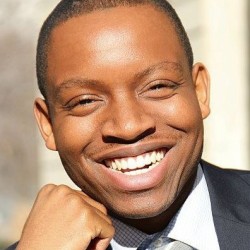
I believe that implementation of SD enabled members of my campus to come together as a close-knit family, instead of strangers. I’m proud to be a part of an organization that embodies such diversity, acceptance, and honesty. This is how to make large-scale societal change in the ways we interact.

Keith Alexander, St. John Fisher SD Alum
Sustained Dialogue has uplifted me … it gave me that empowerment. My GPA boosted dramatically my junior year. I owe it to Sustained Dialogue.
Sian Miranda Singh OFaolain, Princeton SD Alum
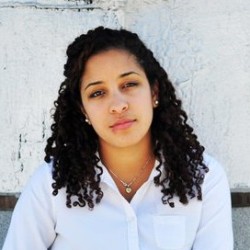
My involvement leading SD was inspiring. I learned the importance of individuals’ experience in shaping their worldview, the value of listening, the necessity of being open to personal change, and the need to respect the complex intersections of people’s identities. SD has been instrumental in shaping my commitment to issues of social equality.